Volcano West logo Volcano West

Volcano West

Canyons & Badlands

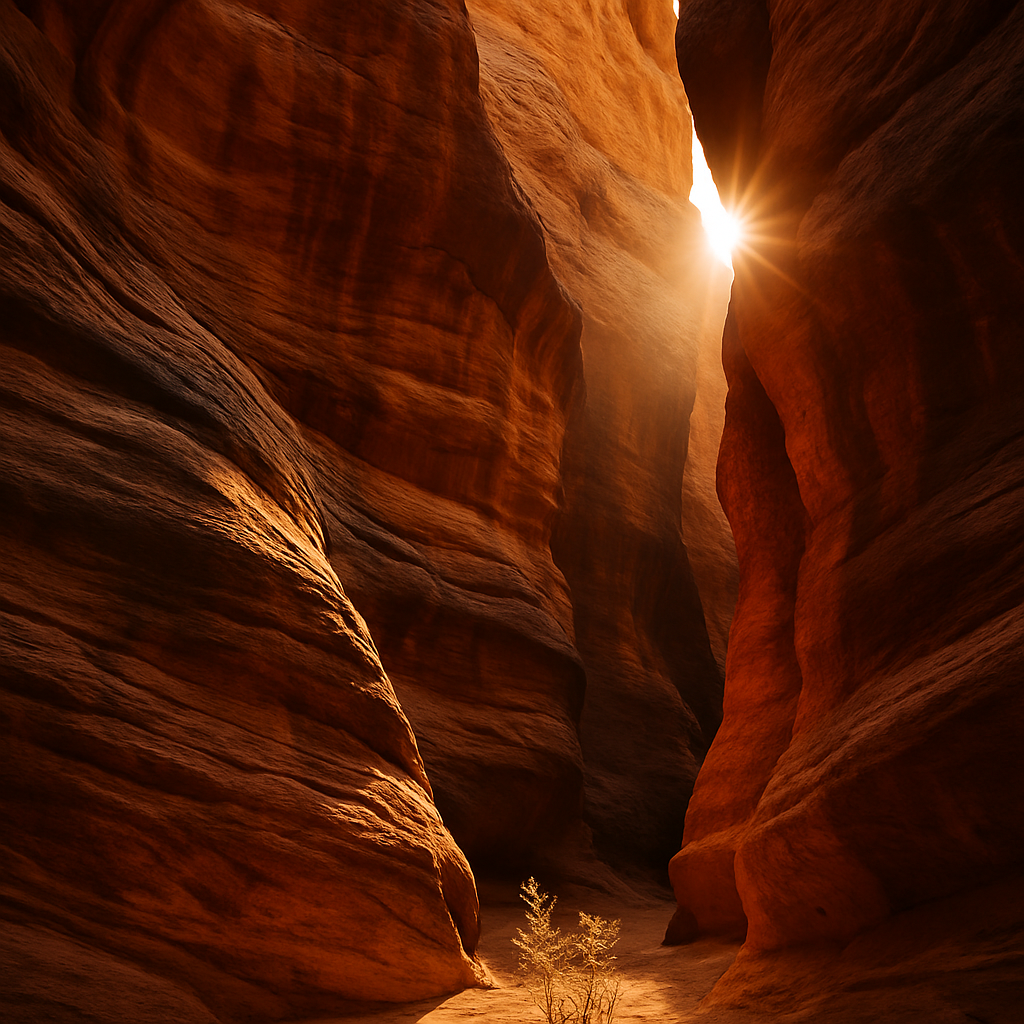
Canyons and badlands are like open books—pages of rock, color, and form etched across millions of years. From the mighty Grand Canyon’s marbled depths to labyrinthine badlands in Utah and the Dakotas, these places invite us to trace ancient rivers, vanished seas, and the relentless work of time and water. Each formation is a monument to patience and power.

01

Landscapes Etched by Water

Despite dry appearances, water remains the architect of every canyon and badland. Rushing rivers, flash floods, and seasonal rains are sculptors, carving deep gashes and intricate ravines in sedimentary rock. This ceaseless erosion crafts amphitheaters of red, gold, and white, turning rock into abstract art on a grand scale.

02

Colors of Deep Time

The striped and swirling layers of canyons and badlands are more than beautiful—they map out eras when ancient seas, swamps, and deserts blanketed the West. Minerals paint these bands in ochre, rust, and cream, offering a geologic timeline you can walk through and touch. Fossils turn up in these bands, from fossilized trees to the footprints of vanished giants.

03

Inspiration & Solitude

These spaces have always drawn wanderers, poets, and seekers of solitude. Early peoples left petroglyphs and cliff dwellings hidden within the rocks. Today, visitors find primroses growing from desert cracks, hear echoes off sun-warmed walls, and often experience a sense of humility in vast, timeless silence.

Quick tips

Good to know

  • Start canyons early to avoid midday sun.
  • Watch for sudden weather and flash flooding.
  • Bring a field guide for fossils and rocks.
  • Leave soft soils and cryptobiotic crusts untouched.
  • Try photography during golden hour.